SCOTTISH FOOTBALL MUSEUM
at HAMPDEN PARK
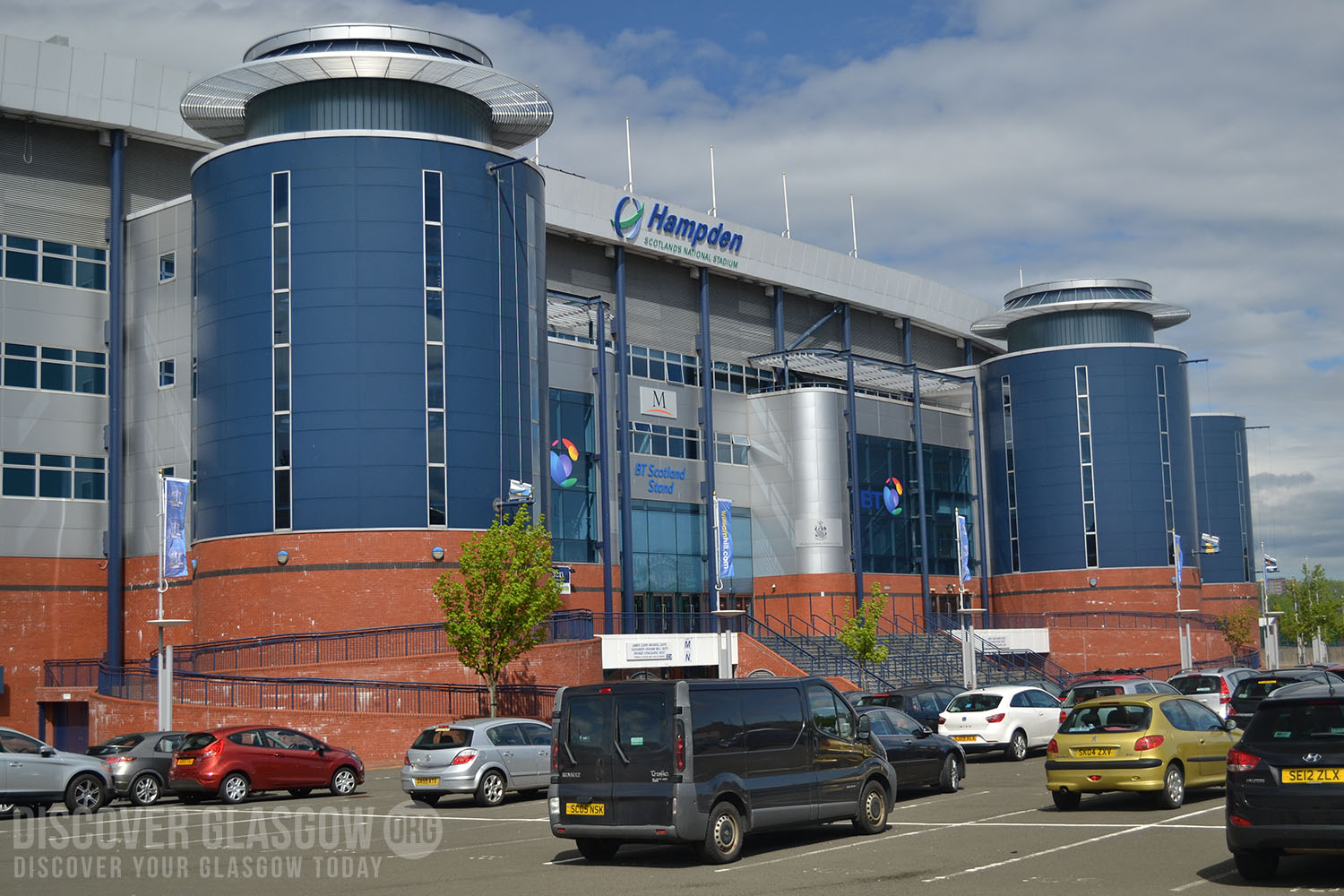
Part of Hampden Park, the museum has over 200 items on display, including a match ticket from that 1872 international game, the oldest football ticket in the world.
BASIC INFORMATION
Nearest train/subway
Mount Florida/King’s Park train station
What3words
Website
WHERE IS IT?
In the south side of the city, near the districts of Mount Florida and King’s Park.
ABOUT
The museum also houses the oldest national football trophy, The Scottish Cup, crafted in 1873. Despite the sorry state of Scotland’s national team, it is a country whose history is steeped in the game, having played the first-ever international game against England in 1872. The game took place in the West of Scotland Cricket Ground in Partick and rather frustratingly ended in a 0-0 draw. Although we have failed to qualify for a major tournament since the 1998 World Cup, the passion for football runs deep, and the legion of fans, the Tartan Army, follow their team around the globe, bringing with them their pride and good humour (which they often need after ninety minutes of play). It is because of this passion, pride and heritage that the Scottish Football Museum exists.
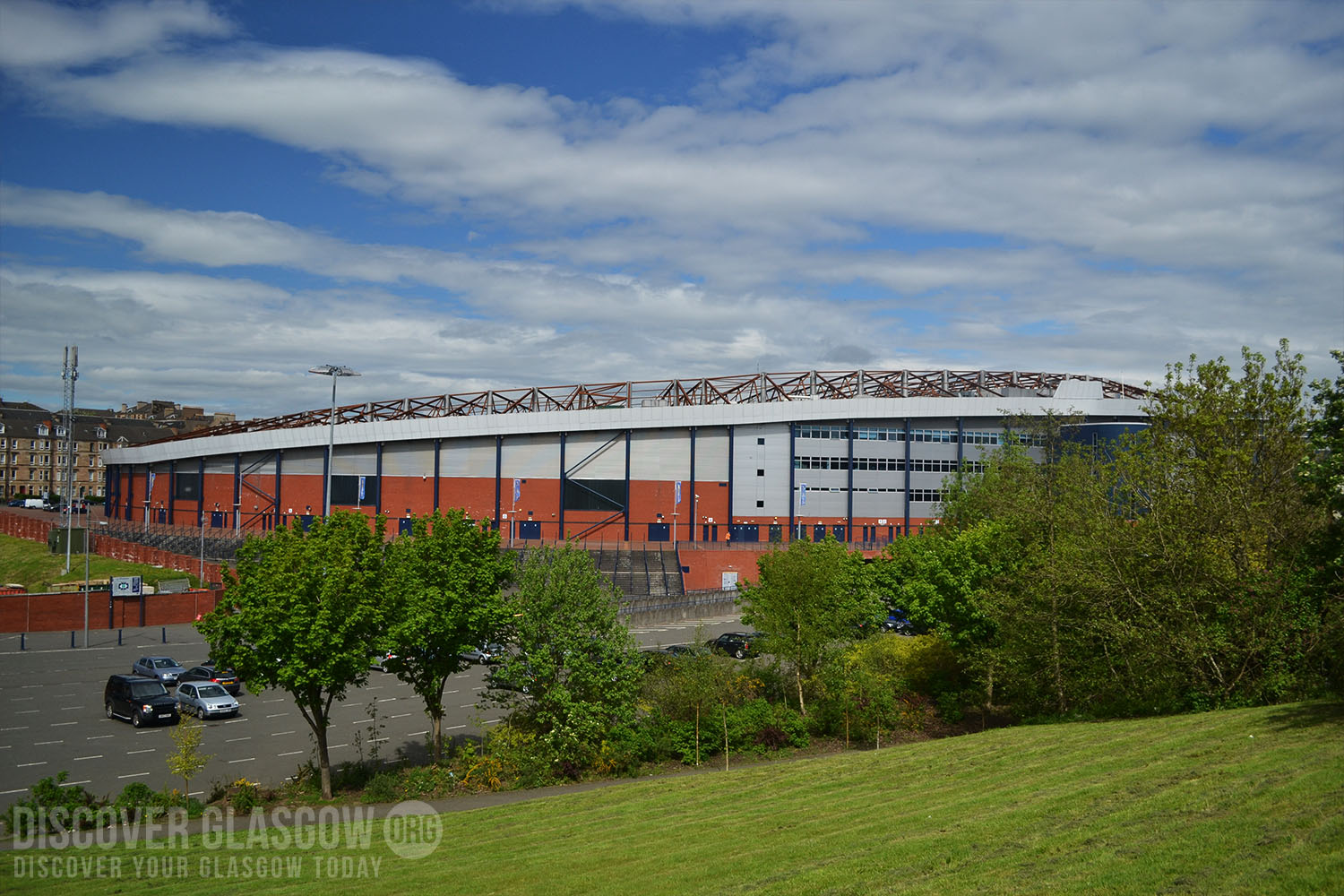
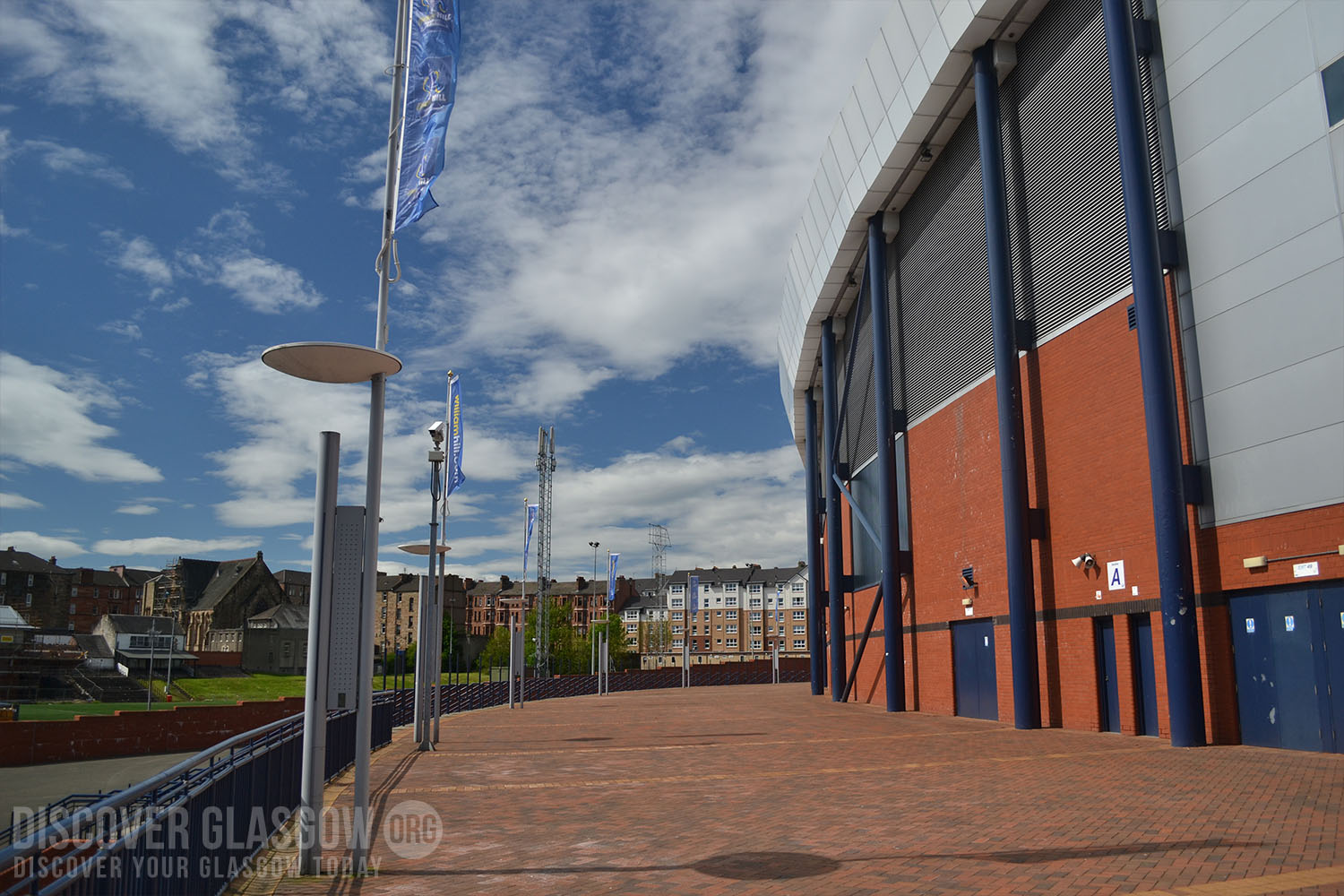
Although the museum has been in existence as an exhibition since 1994, it only moved into its permanent Hampden Park home in 2001. As well as the fourteen different galleries that will take you through the ages of football, the museum often holds special exhibitions. There is also the option to take a tour around Hampden Park, which holds the European attendance record for an international match; 149,415 people watched Scotland trounce England 3-1 in the 1937 British Home Championship game. As a result of security measures, Hampden’s capacity was cut almost in half from 150,000 to 81,000 in 1977. It currently has a capacity of 52,063, nearly a third of what it was at its peak.
HAMPDEN PARK
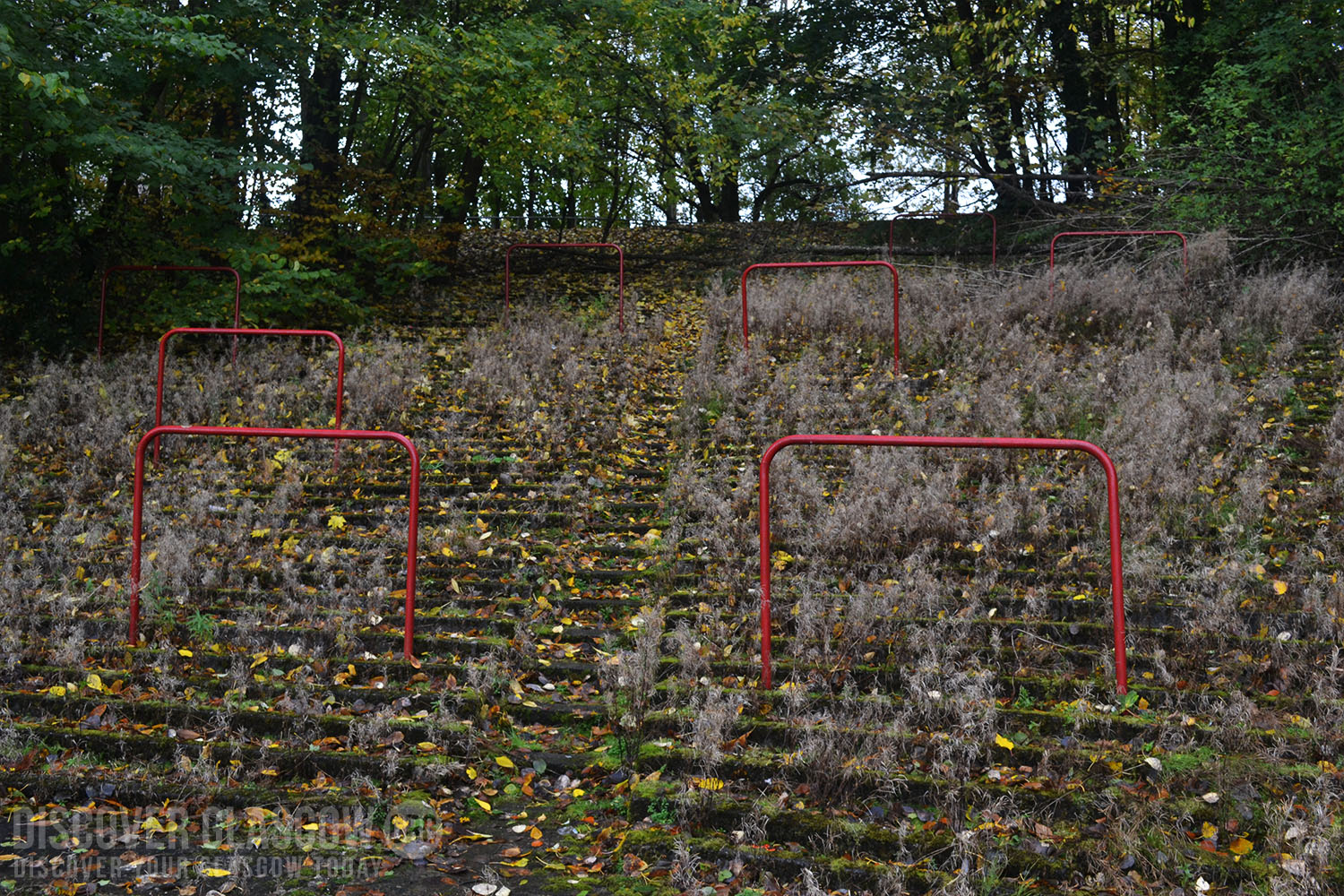
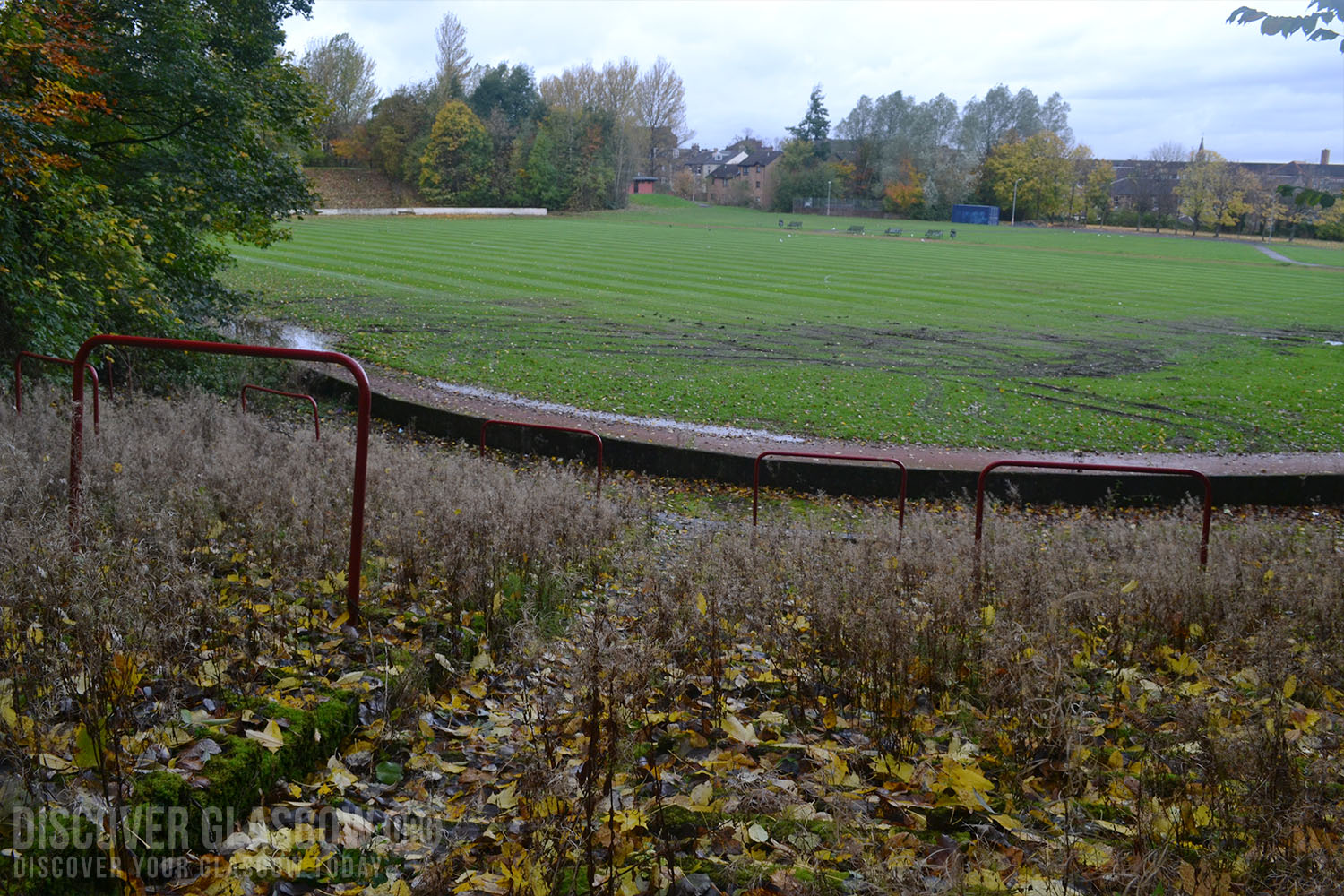
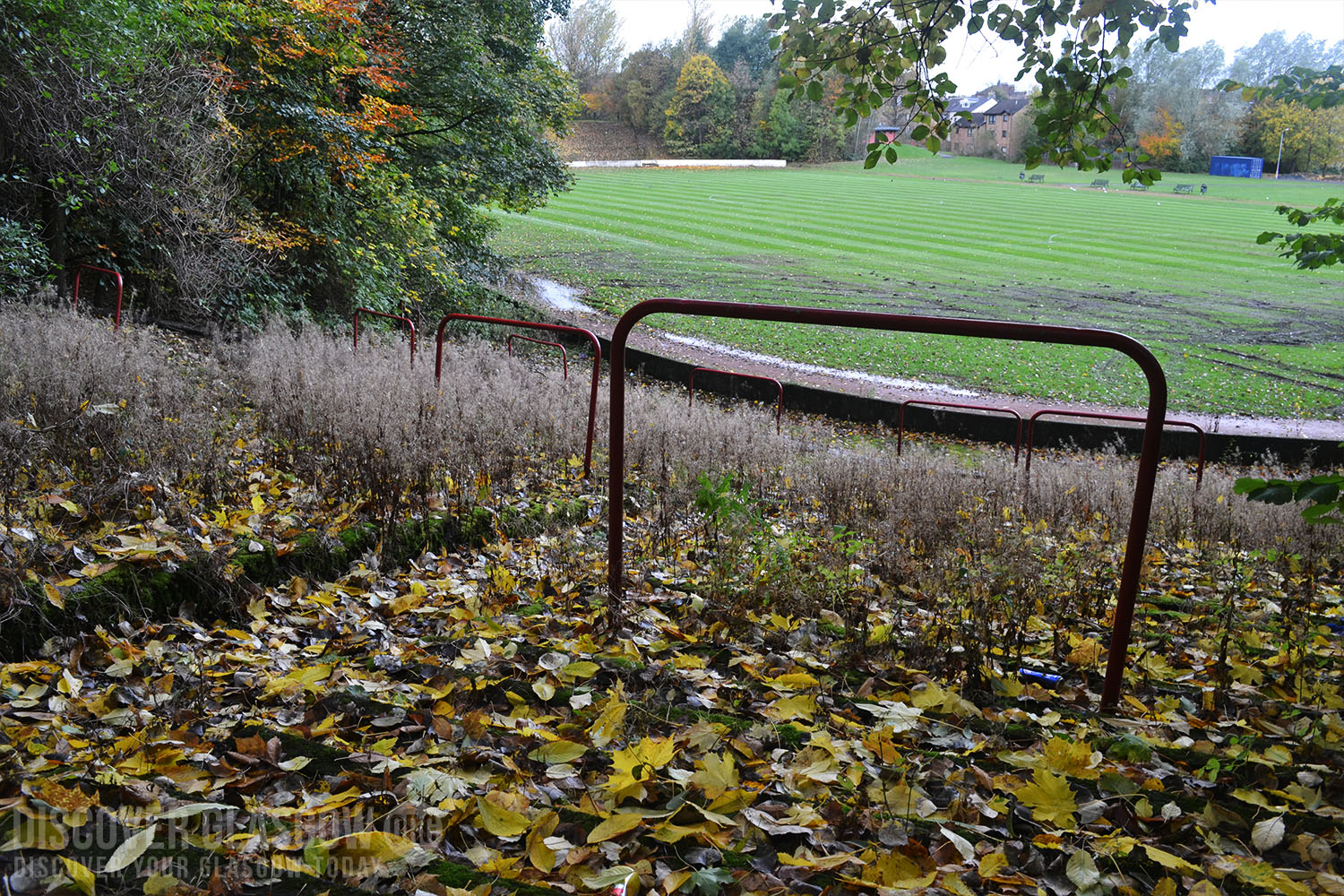
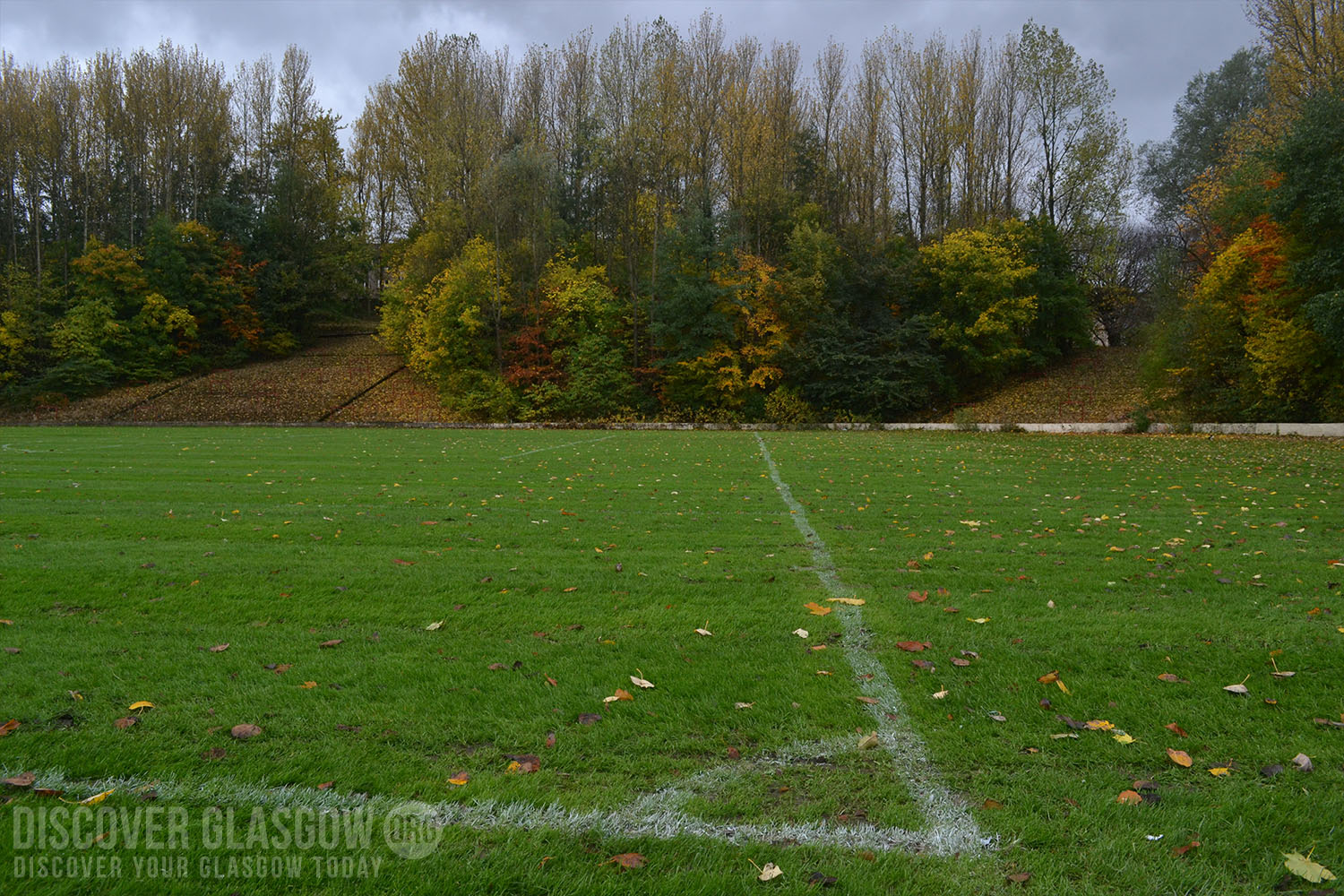
The current Hampden Park is the third stadium to carry the name, all within a stone’s throw of one another. The first, created in 1873, was abandoned due to a proposed railway cutting through one of the terraces. Kingsley Bowling Green and an adjoining rose garden now stand in its place. The second was used for twenty years, but when planning permission for more space was rejected, a third site was sought out. That stadium was sold to Third Lanark A.C. and renamed Cathkin Park. It is now a public park, with one of the terraces still visible. The current stadium opened in 1903. Ironically for a Scottish national stadium, Hampden Park was named after a street which overlooked the first ground, Hampden Terrace. The irony is that this was named for John Hampden, an Englishman and Westminster politician who died during the English Civil War in 1643.
PHOTO GALLERY