KELVINGROVE
PARK
Nestled between Park Circus and the University of Glasgow, this parkland was originally created to cater for the middle classes that migrated west during the Industrial Revolution.
BASIC INFORMATION
Nearest train/subway
Kelvinbridge subway
What3words
Website
WHERE IS IT?
In the city’s West End, next to Kelvingrove Museum and the University of Glasgow.
ABOUT
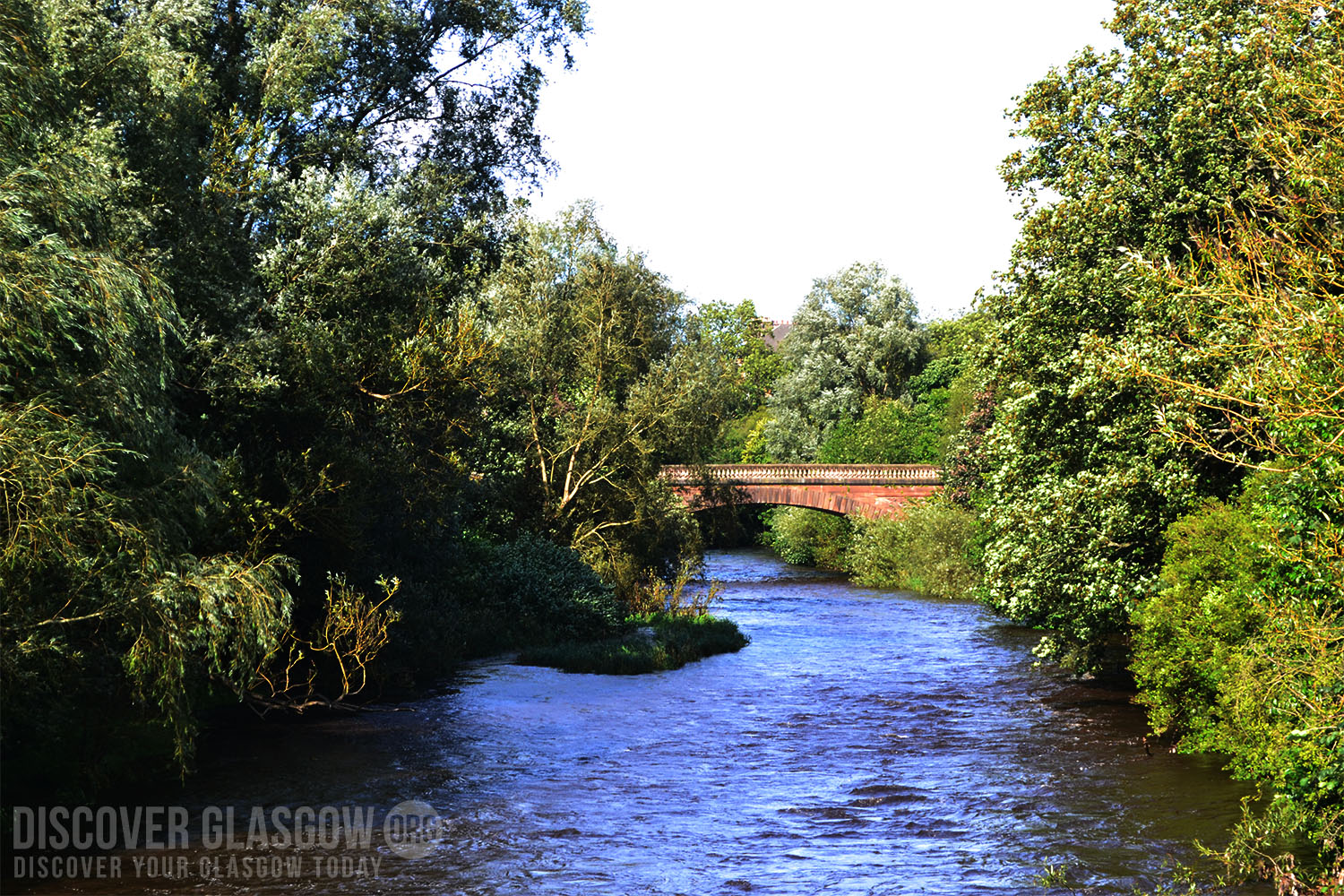
Thought to be Glasgow’s first ‘common land,’ it is named for the River Kelvin which cuts and bends through the park. The layout of the park, with its paths cutting down the hillside, was designed by English Gardner Sir Joseph Paxton. He was the leading landscaper of his generation, and is best known for his work on London’s Crystal Palace.
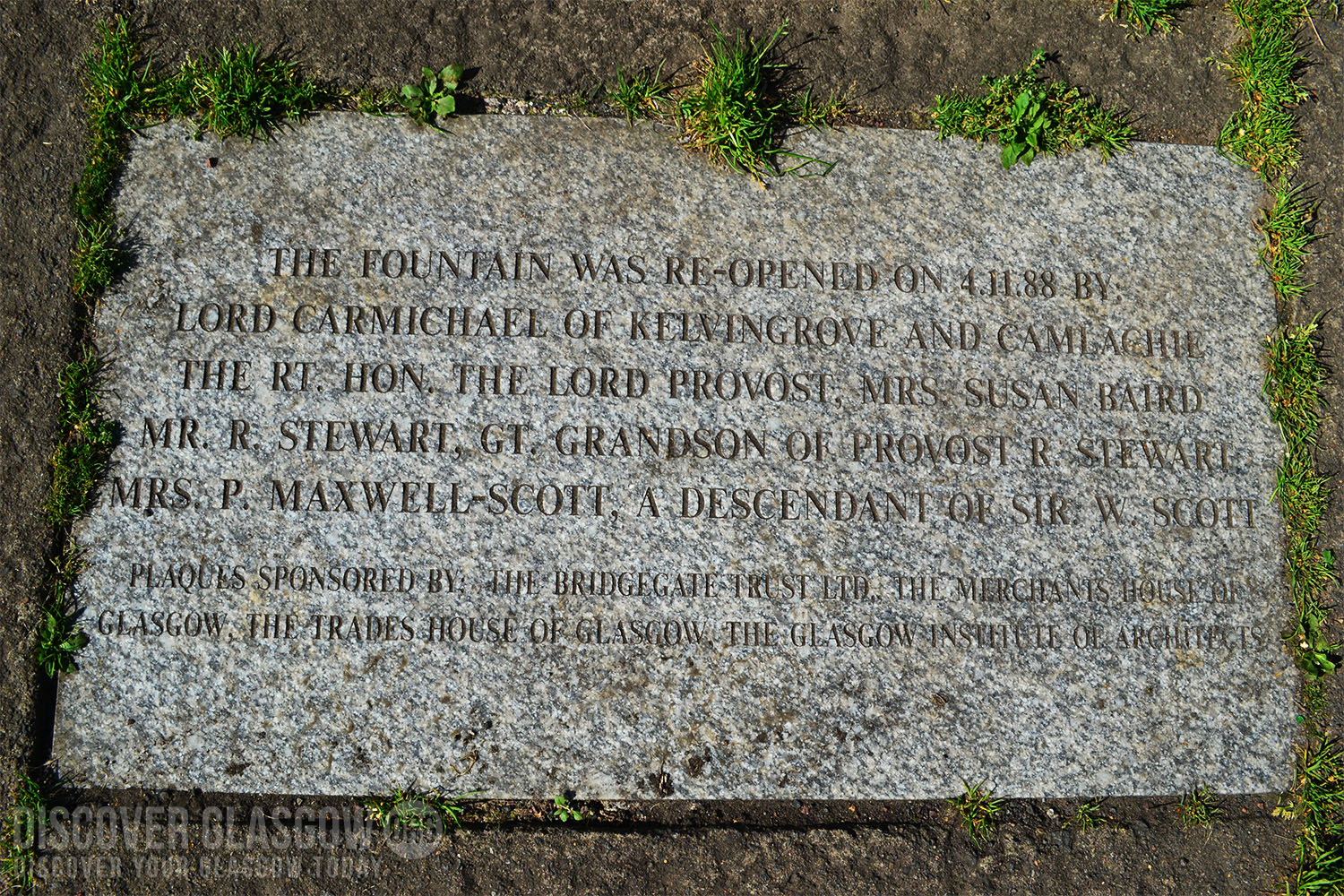
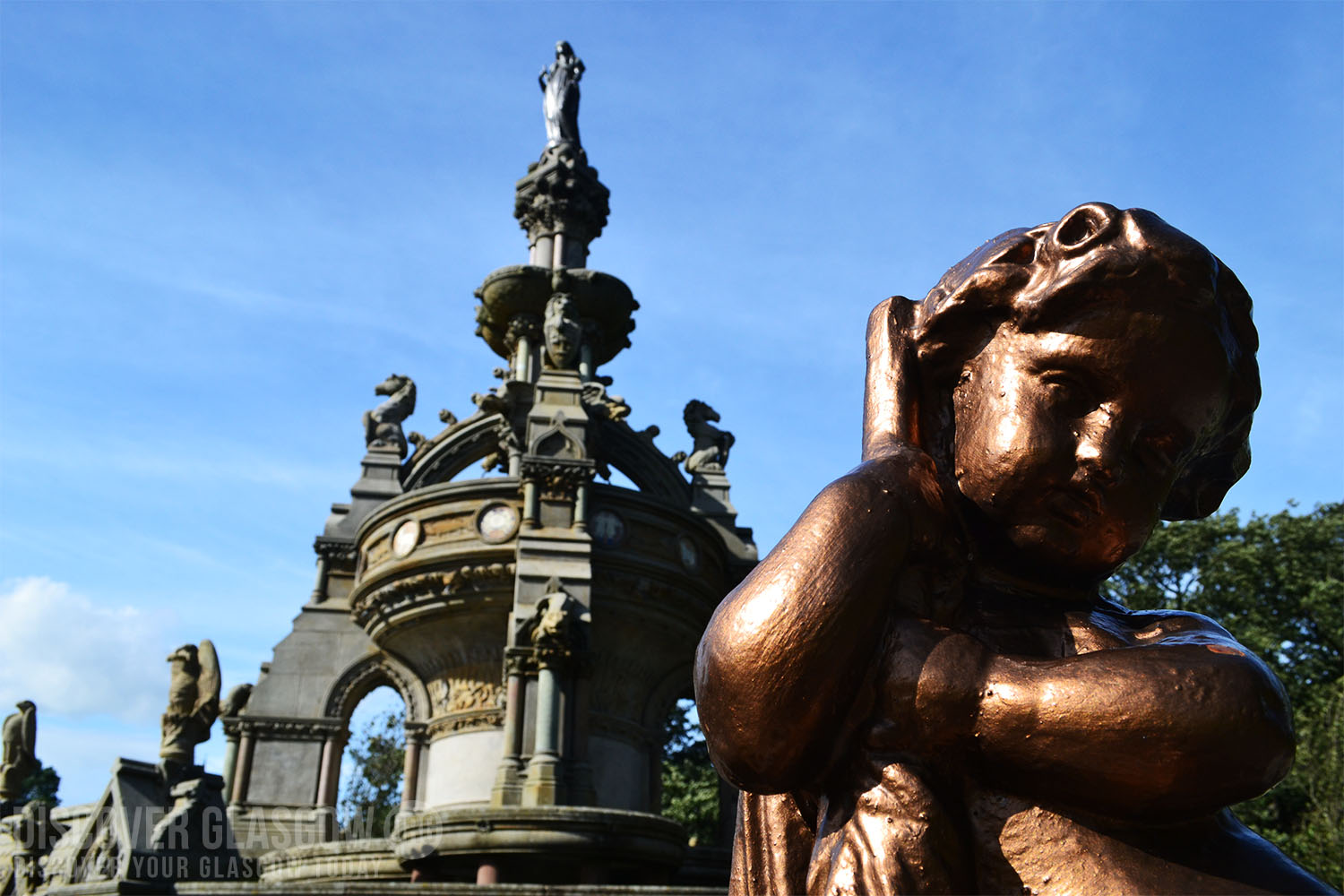
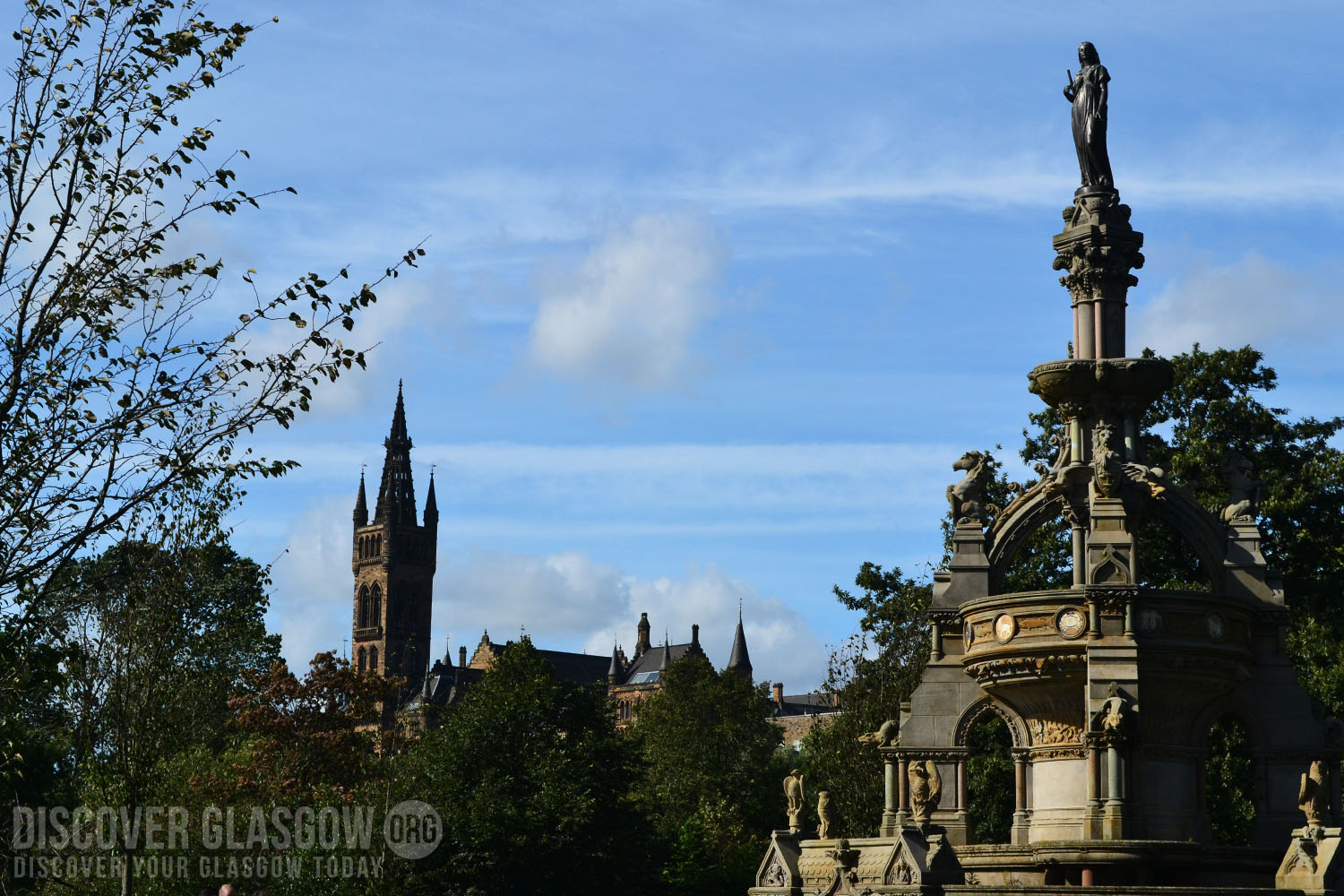
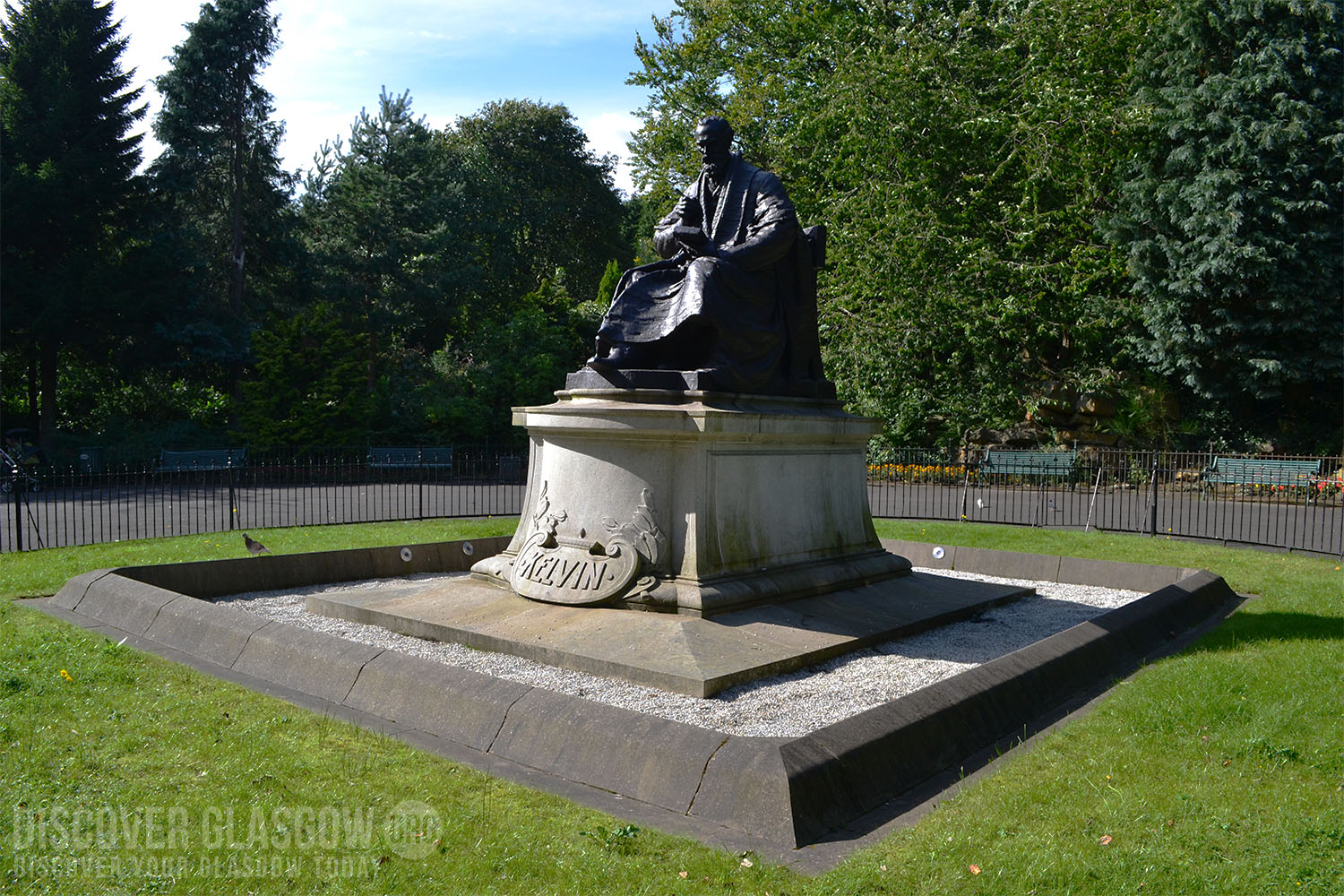
The park has several point of heritage to discover, such as the Stewart Memorial Fountain, built for Lord Provost Robert Stewart. There are also statues of scientist Lord Kelvin and Field Marshall Lord Earl Roberts of Kandahar. This is one of three war memorial statues; the other two are the Highland Light Infantry Memorial, and the Cameronian Rifles Memorial.
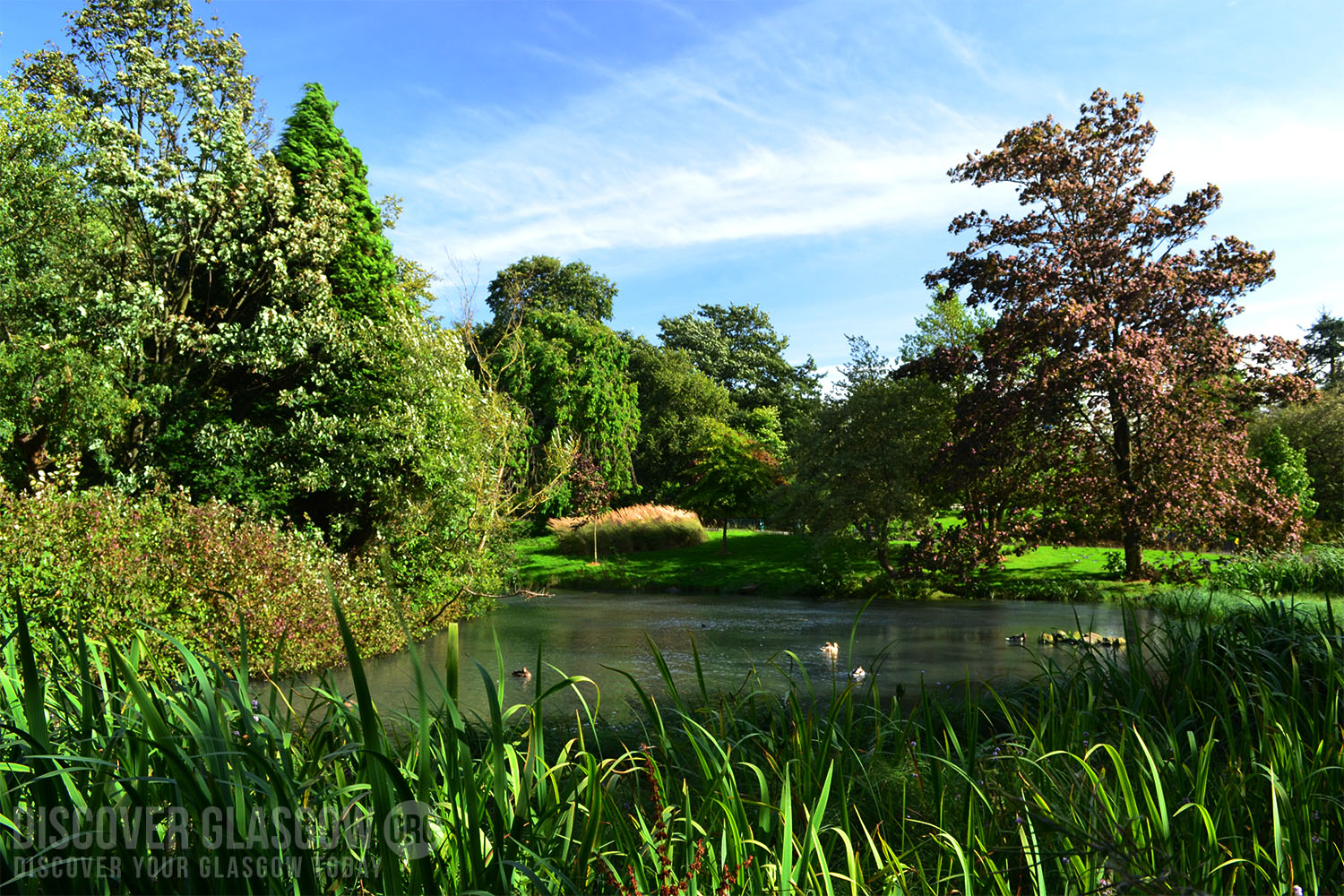
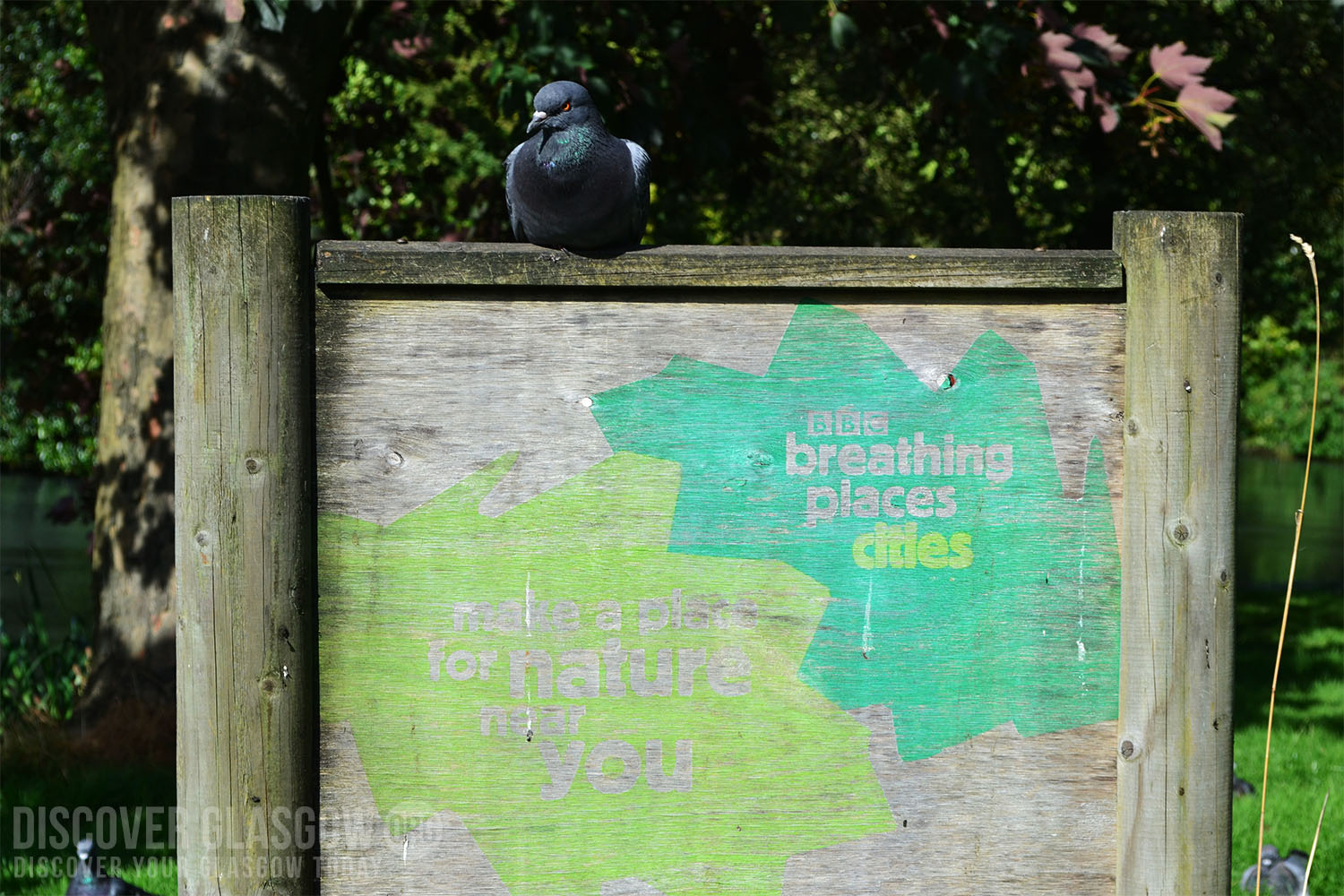
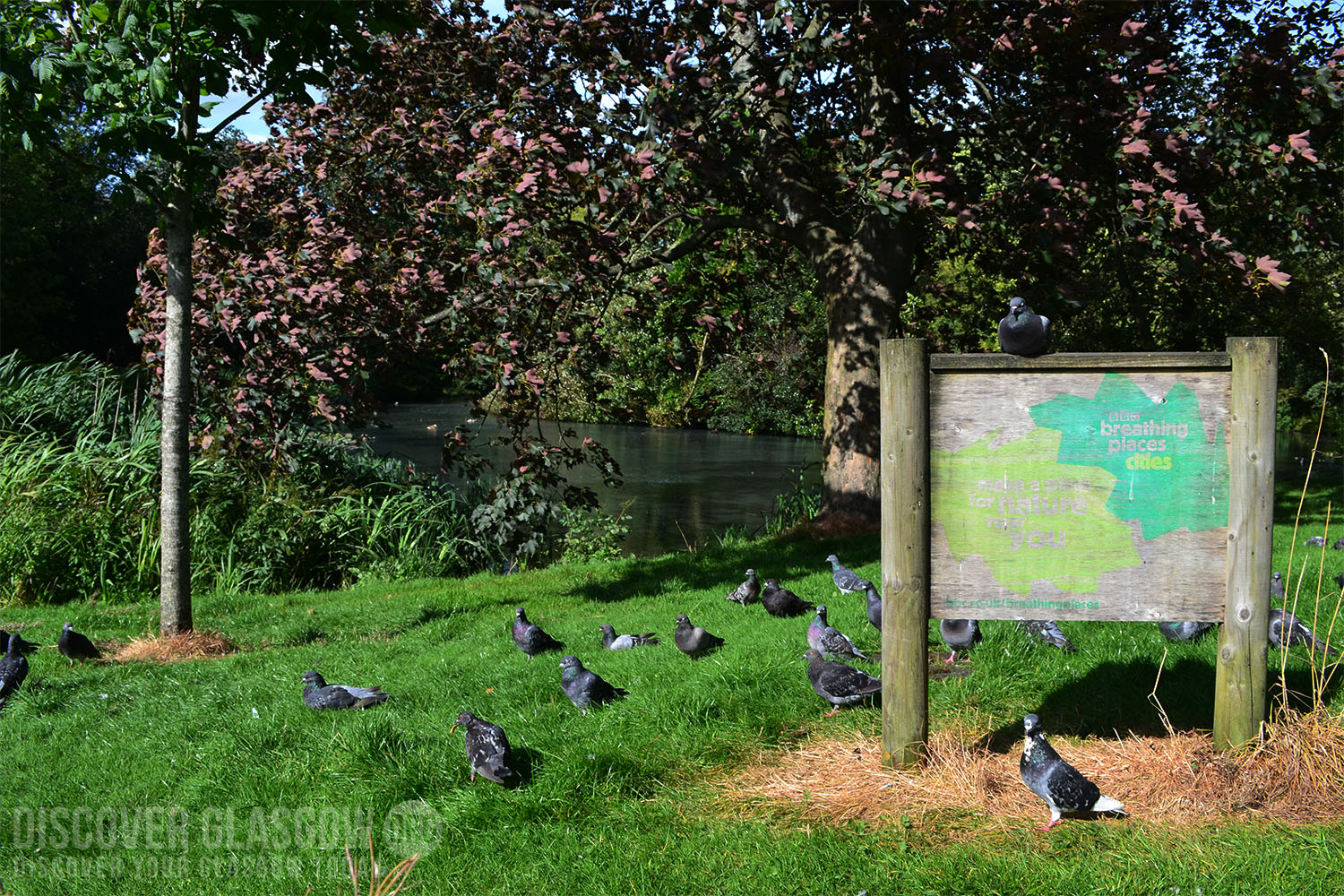
The park features a large play area for children, and an extended skate park adjoining it. Nearby is a small duck pond that attracts a great deal of birdlife. The pond was once highlighted on the BBC’s now-defunct Breathing Places program.
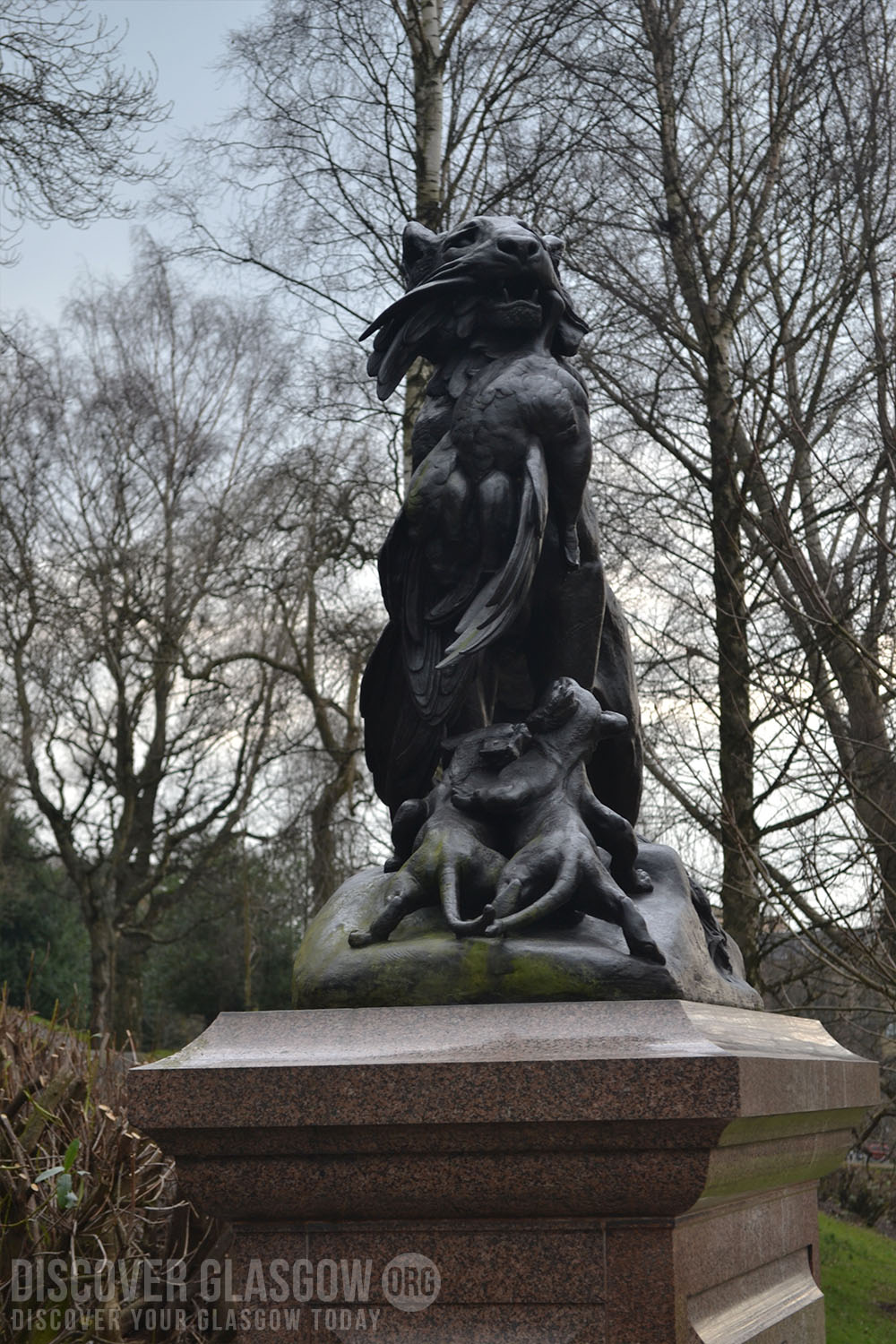
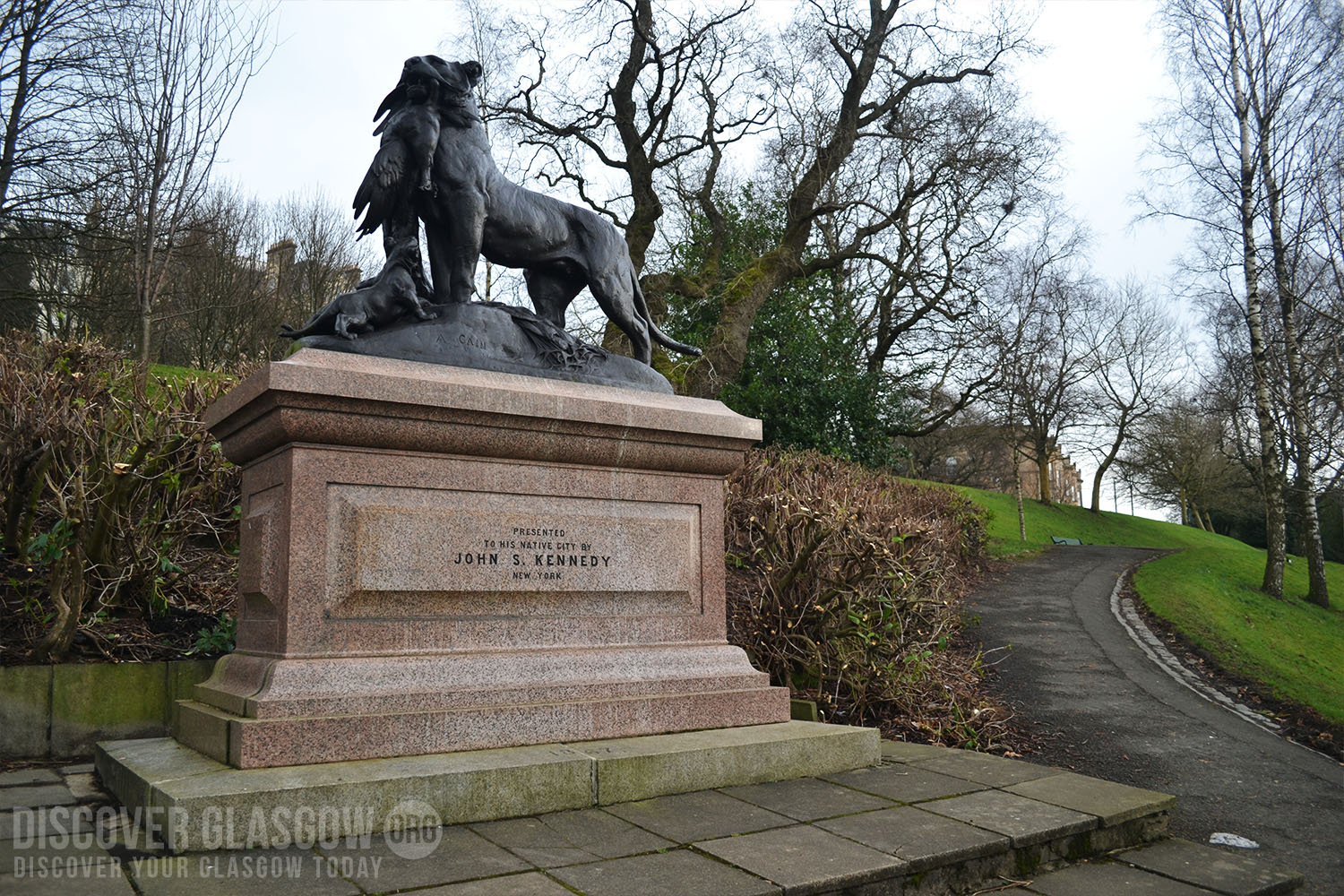
In addition to the real wildlife, there is a sculpture of a Bengal Tigress. It was bought for the city by Glaswegian John Stewart Kennedy, who had emigrated to New York. There is a duplicate version in New York’s Central Park, which was donated by Kennedy and Samuel Morse, the inventor of the telegram.
Here is a full list of the statues that can be found in the park, their sculptors and when they were created:
- Cameronian Rifles Memorial (by Paul Lindsey Clark – 1924)
- Port Sunlight Cottages (by James Miller – 1901)
- The Vital Spark (by George Wyllie, commissioned by Leslie & Alma Wolfson – 2006)
- Lord Lister Monument (by George Henry Paulin – 1924)
- Lord Kelvin Monument (by Archibald Macfarlane Shannan – 1908)
- Carlyle Monument (by William Kellock Brown – 1916)
- An Clachan Memorial (1911)
- Highland Light Infantry Memorial (by William Birnie Rhind – 1906)
- Lord Roberts Monument (by Harry Bates, original in Calcutta, 1888. Duplicated by Henry Poole – 1916)
- Bengal Tigress (by Auguste-Nicolas Cain (statue) and John Mossman (base) – 1867)
- Park Gardens Staircase (by Charles Wilson – 1855)
- Stewart Memorial Fountain (by James Sellars, John Mossman and James Young – 1871-72)
Kelvingrove Bandstand
Just off Kelvin Way is the Kelvingrove Bandstand. Added in 1924, it was a popular venue for outdoor music, but fell afoul of vandalism and lay abandoned from the early 1990s. The charity Friends of Kelvingrove Park led the charge to have it brought back to life. Along with various MPs and bands including Belle & Sebastian, Franz Ferdinand and Teenage Fanclub, they petitioned to have the building restored. In April 2012, they were successful, with Historic Scotland awarding £245,000 from the Building Repair Grant Scheme. The refurbishments were completed by architect firm Page\Park in 2014, in association with the Glasgow Building Preservation Trust, costing a total of £1.6 million.
KELVINGROVE BANDSTAND
Just off Kelvin Way is the Kelvingrove Bandstand. Added in 1924, it was a popular venue for outdoor music, but fell afoul of vandalism and lay abandoned from the early 1990s. The charity Friends of Kelvingrove Park led the charge to have it brought back to life. Along with various MPs and bands including Belle & Sebastian, Franz Ferdinand and Teenage Fanclub, they petitioned to have the building restored. In April 2012, they were successful, with Historic Scotland awarding £245,000 from the Building Repair Grant Scheme. The refurbishments were completed by architect firm Page\Park in 2014, in association with the Glasgow Building Preservation Trust, costing a total of £1.6 million.
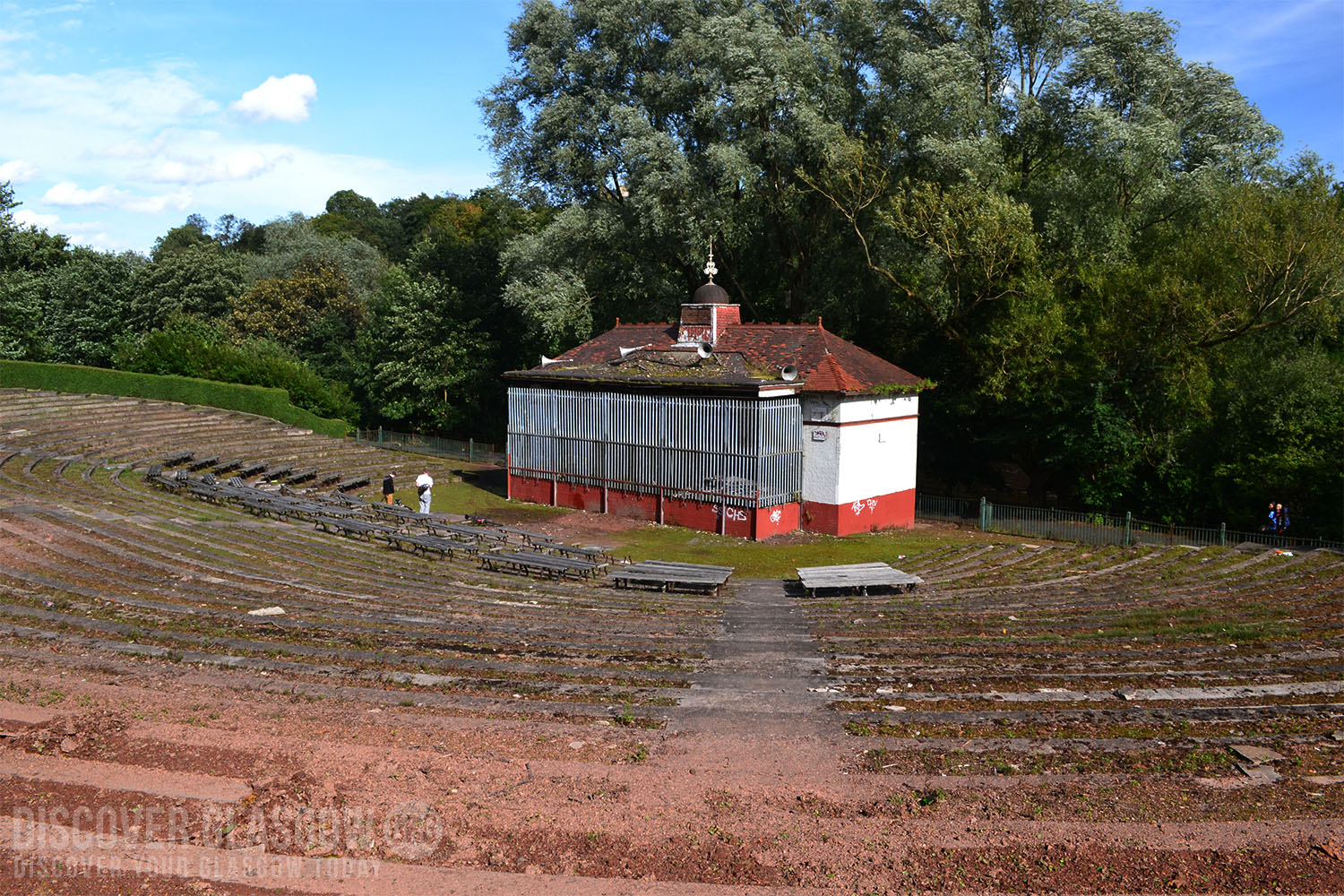
PHOTO GALLERY